Originally, the parish church of the village was the church of Santa Maria delle Grazie, located intra muros close to the castle rock. There, in 1450, the Chapter of the cathedral of Acqui gathered to elect the new bishop Tommaso Deregibus, since a terrible plague epidemic was raging in the city. At the end of the 16th century, however, the church of Santa Maria delle Grazie began to suffer from considerable decay, partly due to stability problems caused by its position near landslide-prone ground, and the need began to be felt to replace it with a new building.
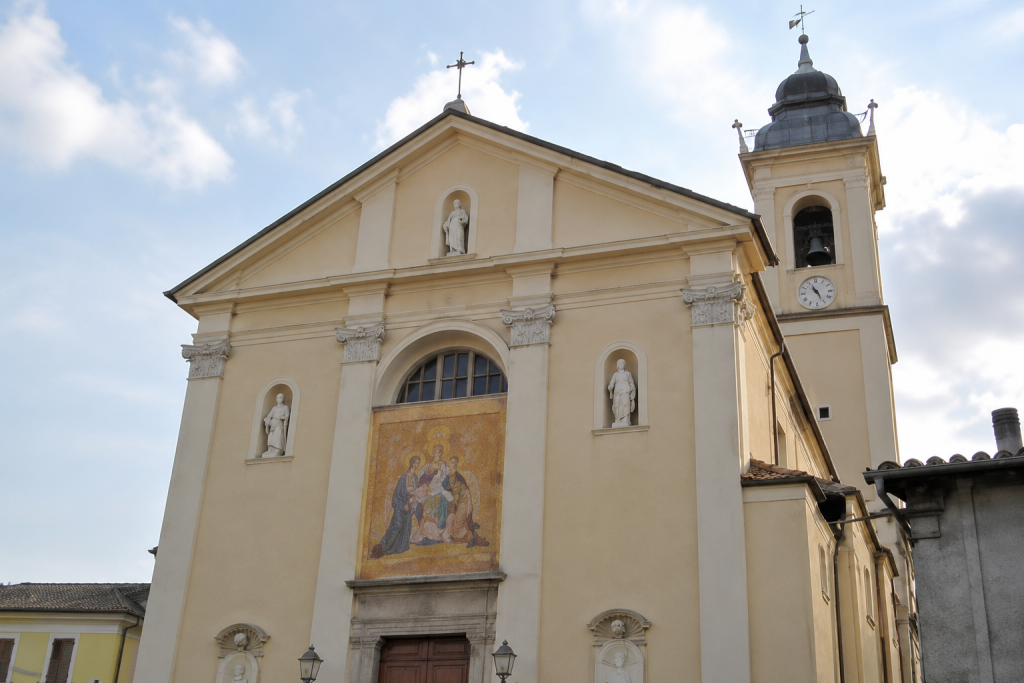
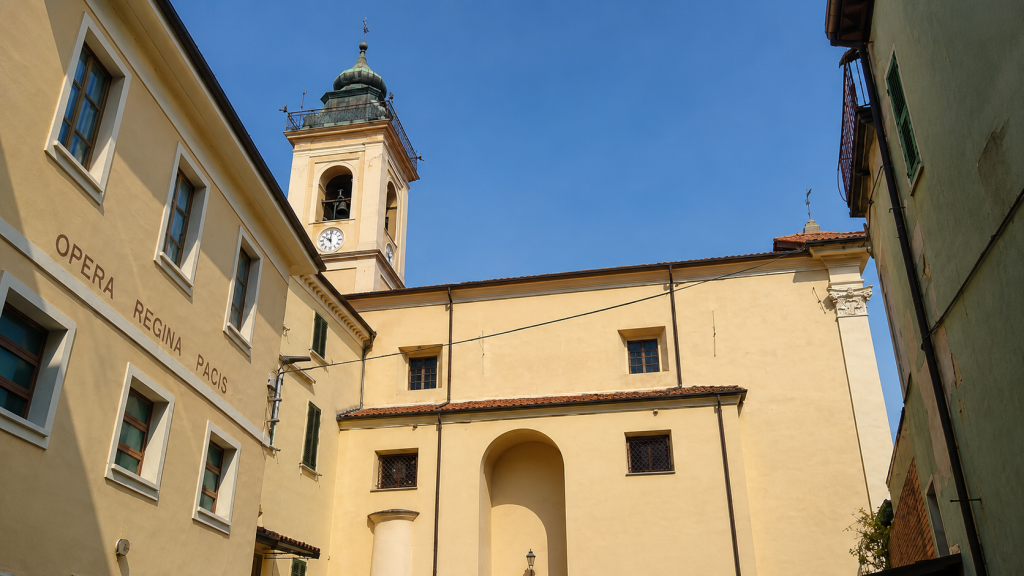
Construction of the present parish church, dedicated to Saints Peter and Paul, began in 1604, but its final completion and consecration had to wait until as late as 1695.
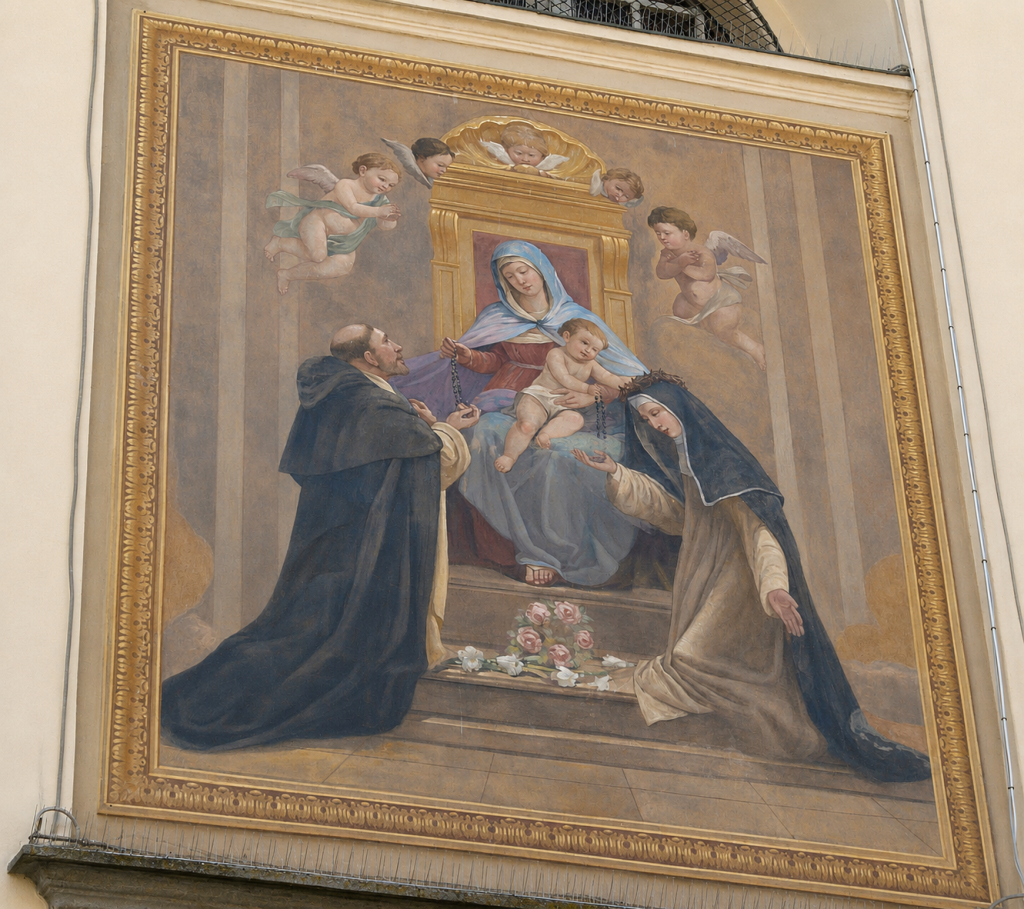
The façade, adorned with statues of Saints Peter and Paul and of the Sacred Heart, was enriched in 1927 with a fresco depicting the Madonna del Rosario with St Dominic and St Catherine of Siena, by the Acqui painter Lorenzo Laiolo (1877-1947).
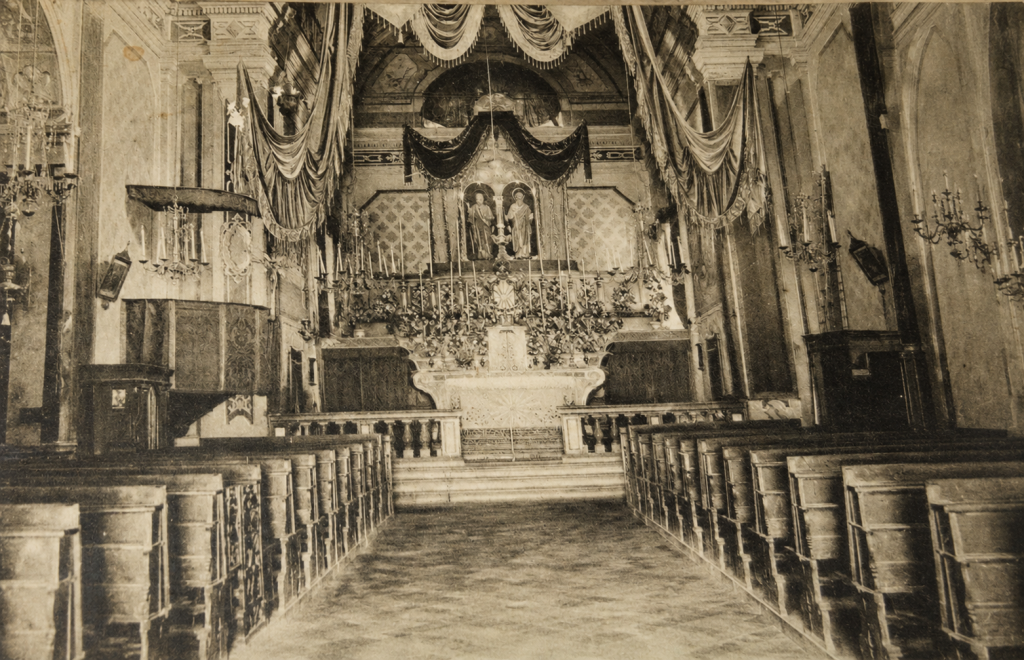
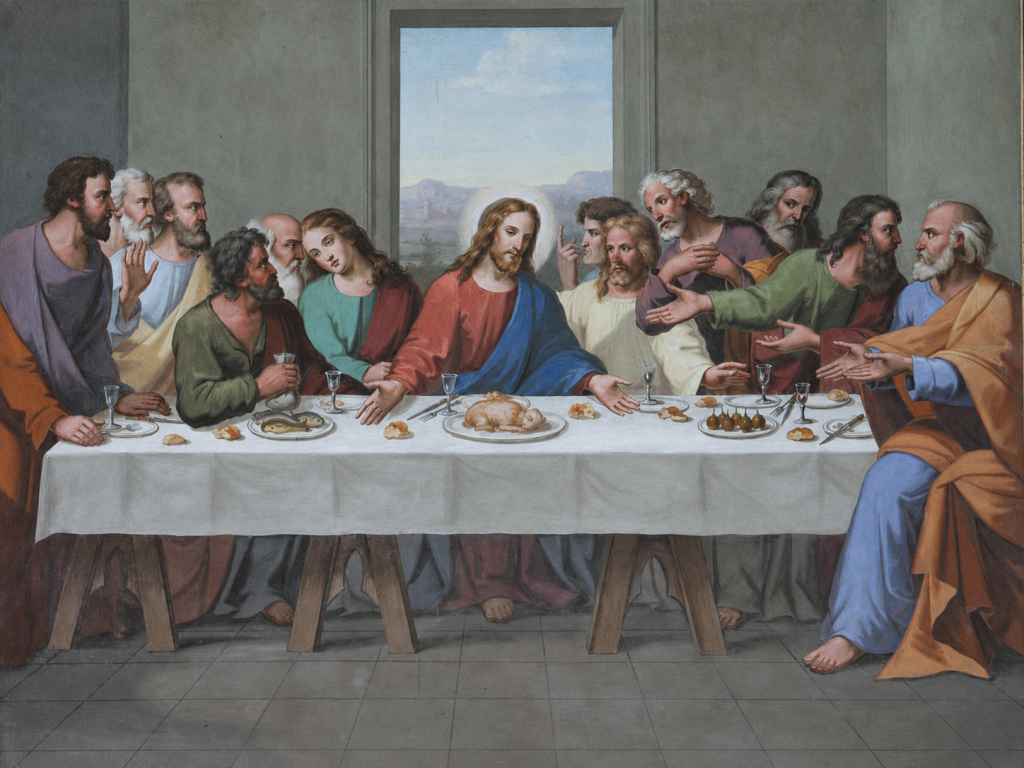
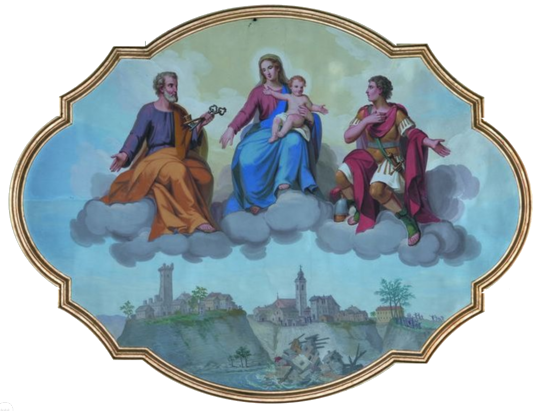
The plan is single-nave, with four side chapels: Sant'Antonio, Sacred Heart, Madonna del Rosario and San Giuseppe. The nave vault is frescoed with works by Pietro Ivaldi, known as “il Muto” (1810-1885), as are the frescoes on either side of the altar: the Last Supper (left) and the preaching of St John the Baptist (right). Also noteworthy are four canvases by the Visone painter Giovanni Monevi (1634-1714): the souls in Purgatory, the Nativity, the village with San Bovo and the Madonna, and the Battle of Lepanto.
Facing the left side of the altar (in cornu Evangelii) stands a wooden pulpit from the second half of the 17th century, while before the right side (in cornu Epistolae), in a small room, there is an early twentieth-century reproduction of the grotto of Lourdes, made of sackcloth and plaster in a scenographic style common to many other churches in the area.
In the centre of the apse a niche holds the wooden statues of Saints Peter and Paul, which every year on 29 June are brought out to be carried in procession and offered to the veneration of the faithful.
The pipe organ dates from 1897 and is the work of the workshop of Giovanni Mentasti, descendant of one of the leading families of the Varese school of organ building, with later cleaning and repair work by Mentasti himself in 1907 and by Edoardo Negri in 1928.
Above: detail of the frescoes on the nave ceiling, with the village's patron saints (Peter and Paul and the Madonna del Rosario) and, at their feet, a depiction of the collapse of the Rocca in 1861.
Below: the Last Supper, fresco beside the main altar.